Mitigating M2M Collision Risks in Underground Mining
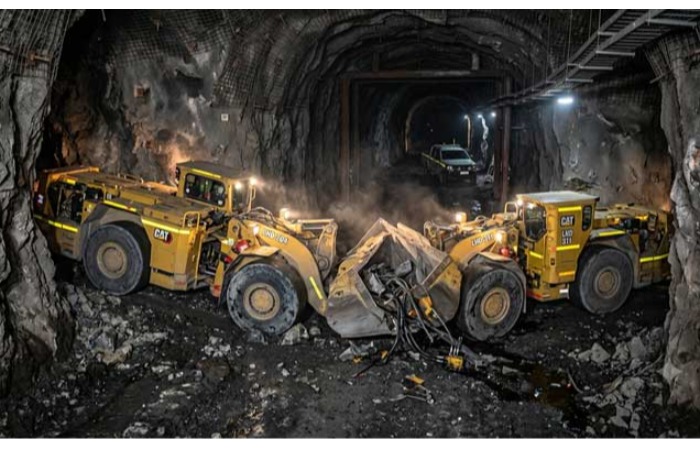
Machine-to-machine (M2M) collisions represent one of the most critical safety and productivity risks in underground (UG) mining operations. As mines become deeper, more mechanised, and increasingly automated, the density and interaction of mobile equipment in confined spaces have increased significantly. This article examines the nature of M2M collision risks in UG mining, contributing factors, potential consequences, and current as well as emerging strategies for risk mitigation.
Causes of machine to machine collisions in underground mining
Machine design and physical constraints
- Restricted visibility: Operator cabins are built strong to protect from roll-overs, but the thick frames and small windows create big blind spots. Its hard to see whats directly beside or behind the machine, where other vehicles or people might be.
- Articulated steering: Many underground vehicles bend in the middle to turn. When they do, the back end swings out in the opposite direction, like a tail whipping around. This swing can easily hit a wall, a pillar, or another machine the operator didnt see coming.
- Equipment speed and size: These machines are massive and powerful. Even at low speeds, their size means they need more space and time to stop. A small increase in speed drastically increases the stopping distance and the force of any impact.
Environmental and infrastructure hazards
- Environmental factors: Dust from drilling, smoke from diesel engines, and high humidity create a constant haze that cuts visibility. Wet or muddy roads also reduce traction, making it harder to stop or steer quickly to avoid a collision.
- Poor ramp design: Uneven, sloped, or potholed roadways can cause a machine to lurch or slide unexpectedly. A sudden jolt might force an operator into the path of another vehicle. Sharp, blind corners with no warning signs are especially dangerous.
- Constrained workspaces: Mining tunnels are extremely tight, and the work areas are often packed with equipment. Large machines often dont have enough space to pass each other safely or turn around, making it very likely that they will bump, or crash into one another while moving through the mine
Human factors and communication
- Communication breakdowns: Operators rely on radios, but channels can get busy, signals can drop, or a critical call can be missed. Sometimes, operators make assumptions”like thinking an area is clear”instead of confirming, leading to accidents at intersections or blind corners.
- Operator fatigue: Mining is physically and mentally draining. Long shifts in a stressful, dark environment lead to tiredness and loss of focus. A moment of distraction or a misjudgment of distance is all it takes for a collision to happen.
Visibility aids and technological gaps
- Lack of real-time tracking: Without technology showing where every machine is on a map, operators are relying only on what they can see and hear. It's easy for two machines to unknowingly head toward the same tight space or intersection.
- Inadequate lighting or markings on equipment: Machine lights can fail or may not be bright enough to cut through the gloom. Missing or faded reflective strips on walls and vehicles, or a lack of clear traffic signs and mirrors at intersections, leave everyone guessing about what's around the corner.
Consequences of machine-to-machine collisions
Human impact and safety culture
- Injuries and fatalities: The most severe outcome. Operators and nearby workers can suffer from crushing injuries, fractures, or be fatally struck by moving equipment or collapsing structures. Witnessing or being involved in a serious collision causes lasting stress, anxiety, and fear, affecting the entire crews morale and mental well-being.
- Erosion of safety culture and morale: Repeated incidents breed complacency and normalise risk, while eroding workers' trust in equipment, procedures, and each other, which undermines teamwork and overall vigilance.
Operational disruptions and hazards
- Immediate production halt: The collision site becomes a hazard zone. All work in the area must stop for investigation, cleanup, and repairs, directly hitting production targets.
- Fire and air hazards: Crashes often rupture high-pressure hydraulic or fuel lines, which can spray on hot engines and start a fire. Additionally, collisions can destroy the ventilation bags that provide fresh air, making the area toxic and unsafe to enter.
Asset and financial damage
- Major equipment damage: Mining machines are extremely expensive. A collision can bend frames, destroy hydraulic systems, or damage critical components, leading to repair bills in the hundreds of thousands and long, costly downtimes.
Regulatory and institutional risks
- Regulatory and financial repercussions: Serious collisions trigger mandatory investigations, heavy fines, and higher insurance costs, while damaging the companys reputation with regulators, investors, and the workforce.
Prevention and mitigation strategies
Traffic management and site design
- Written traffic management plan: Develop and strictly enforce a comprehensive traffic plan that includes designated one-way roads, clearly marked speed limits, and defined travel routes.
- Right-of-way protocols: Implement clear intersection and passing rules, such as requiring empty vehicles to yield to loaded vehicles, to reduce conflict points and improve flow.
Visibility and environmental maintenance
- High-visibility reflective markings: Apply premium reflective tape (red, yellow, and green) to all sides of every machine to maximise visibility from any angle.
- Enhanced lighting and mirrors: Equip all machines with bright LED lights, strobe lights, and additional mirrors at blind corners to eliminate visibility gaps.
- Cleanliness standards: Establish and enforce a rigorous cleaning schedule for lights, reflectors, cameras, and windshields to prevent dust and grime from compromising visibility.
Advanced safety technology
- Proximity detection systems (PDS): Install radar, GPS, or radio-frequency sensors on all machines. Prioritise systems equipped with automatic braking to detect and respond to nearby hazards in real time.
- Real-time asset tracking: Deploy live digital mapping systems in vehicle cabs and the central control room, enabling operators and supervisors to track all vehicle positions”even around blind corners.
Operator training and wellness
- Ongoing training programmes: Deliver regular operator training sessions, including simulator-based practice for high-risk scenarios and emergency procedures.
- Fatigue and distraction monitoring: Utilise in-cab cameras and monitoring systems to detect signs of fatigue (e.g., yawning) or distraction. Enforce strict break schedules and rest protocols to maintain peak operator alertness.
Safety culture and continuous improvement
- Incident and near-miss reporting: Foster an open reporting environment where workers are encouraged to report near-misses and close calls without fear of reprisal.
- Data-driven improvements: Analyse data from near-miss reports, incident investigations, and digital tracking systems to identify recurring problem areas and implement targeted updates to site rules and procedures.
About the author:

Harshvardhan Singh works as an Assistant Manager (Equipment Service) at a global mining utility vehicle manufacturer. He is positioned at Zawar Mines, Udaipur.
 A-303, Navbharat
Estates,
Zakaria Bunder Road,
Sewri (West), Mumbai - 400 015,
Maharashtra, India
A-303, Navbharat
Estates,
Zakaria Bunder Road,
Sewri (West), Mumbai - 400 015,
Maharashtra, India +91-22-24193000
 Subscriber@ASAPPinfoGlobal.com