
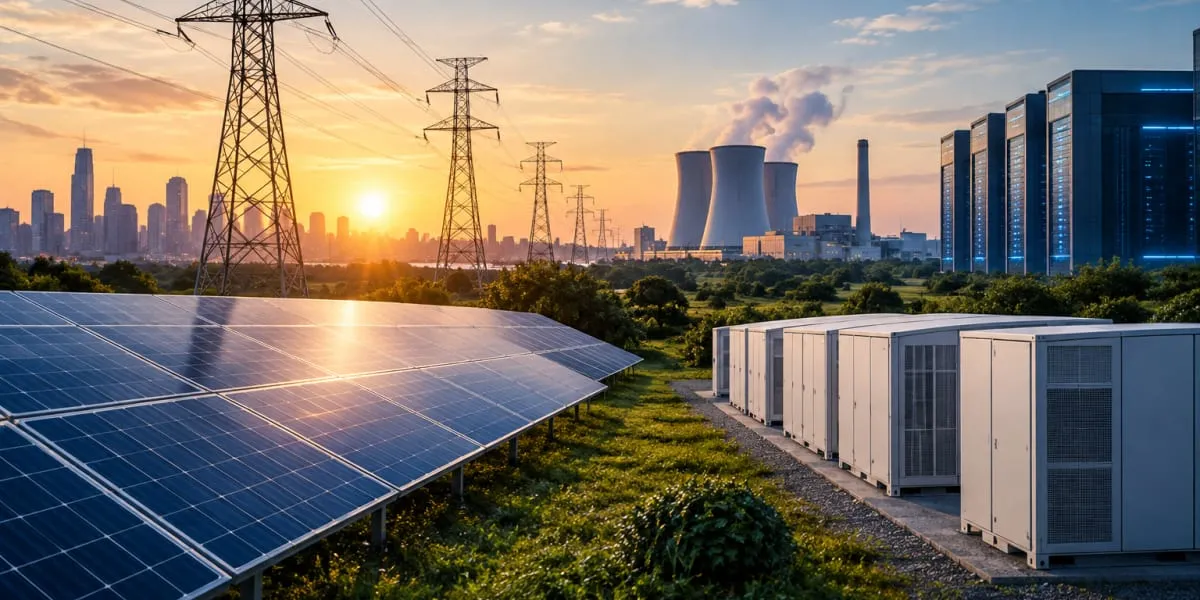
UBS Projects USD 32 tn Global Electrical Infrastructure Spending
Global spending on electrical infrastructure is projected to reach USD 32 tn over the next decade, as rising electricity demand from artificial intelligence (AI), electrification and industrial activity drives investment in power generation, grids, energy storage and critical minerals, according to UBS.
The financial services firm said electricity demand in major developed markets was rising for the first time in decades, even after accounting for efficiency gains. AI infrastructure is increasing demand for power and related equipment, while grid modernisation, electric vehicles, industrial automation and the energy transition are competing for the same resources.
UBS said the scale of investment could create opportunities for companies operating in areas facing the tightest supply constraints. Businesses with limited production capacity, established order books, strong customer relationships and a track record of delivering complex projects may be better positioned to benefit from pricing power and greater visibility over future revenue.
Global grid investment is projected to reach USD 500 bn in 2026, with annual spending across the sector potentially approaching USD 3 tn by 2030. However, companies could face risks from higher financing costs, rising input prices, delays in obtaining permits and changes in the pace of data centre construction.
Copper was identified as a key beneficiary of infrastructure expansion because power networks, electrification, data centres and AI systems require substantial volumes of the metal. UBS said supply was responding slowly to demand because new mines take considerable time to develop, ore grades are declining in several established mining regions and major projects face political, environmental and execution-related challenges.
The firm expects copper prices to reach USD 15,500 per t by the end of 2027. It said the scale and duration of the electrical infrastructure investment cycle could exceed current market expectations, although financing conditions and supply-side constraints remain important risks.
 A-303, Navbharat
Estates,
Zakaria Bunder Road,
Sewri (West), Mumbai - 400 015,
Maharashtra, India
 +91-22-24193000
 Subscriber@ASAPPinfoGlobal.com